

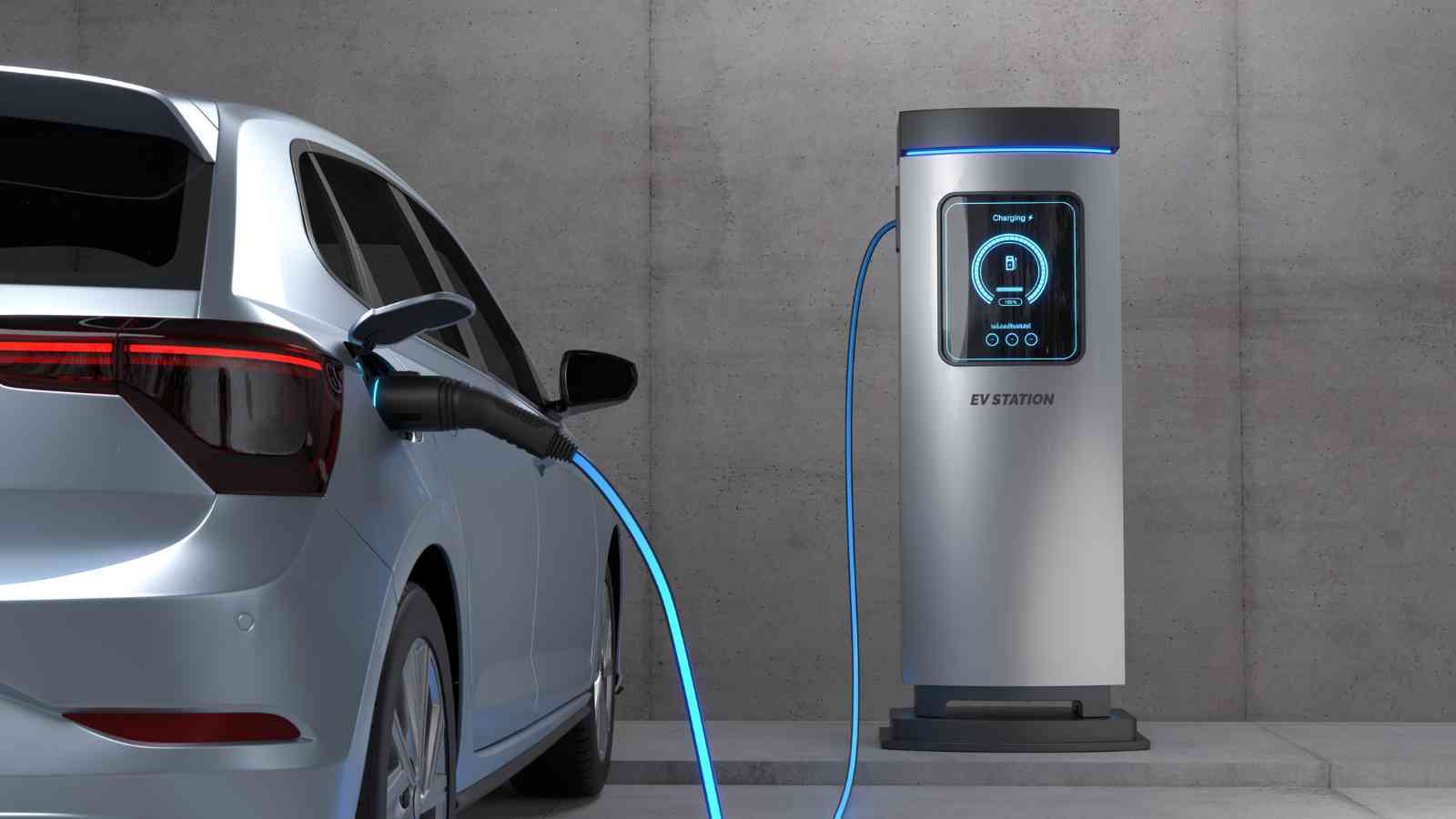
With electric vehicle adoption accelerating across the North East, home charging infrastructure has become one of our most requested domestic services. Here’s what homeowners across the region should know before installing a dedicated EV charger.
Electrical Requirements
Most home chargers require a dedicated circuit with appropriate capacity for the unit selected. Your consumer unit must have sufficient spare ways and overall capacity. A load assessment is essential before installation.
Installation Steps
- Survey & assessment: Verify capacity and identify optimal routing
- Design & notification: We advise on Building Regulations and network operator requirements where applicable
- Installation: Professional fixings, cable routes and isolation to BS 7671 standards
- Testing & handover: Certification and clear guidance on safe use
Cost Considerations
Installation costs vary depending on consumer unit condition, cable runs, mounting location and charger specification. We provide transparent quotations before work begins so you can plan with confidence.
Why Hire a Qualified Electrician?
DIY EV charger installations can void warranties, fail compliance checks and create fire hazards. EPM Electrical ensures standards-compliant installation with proper protective devices and documentation.
Get a free EV charger quote. We’ll assess your property and recommend the best solution for your vehicle and home.